















When is the best time to retire from the Federal Government’s workforce? On Dec. 31st, probably.
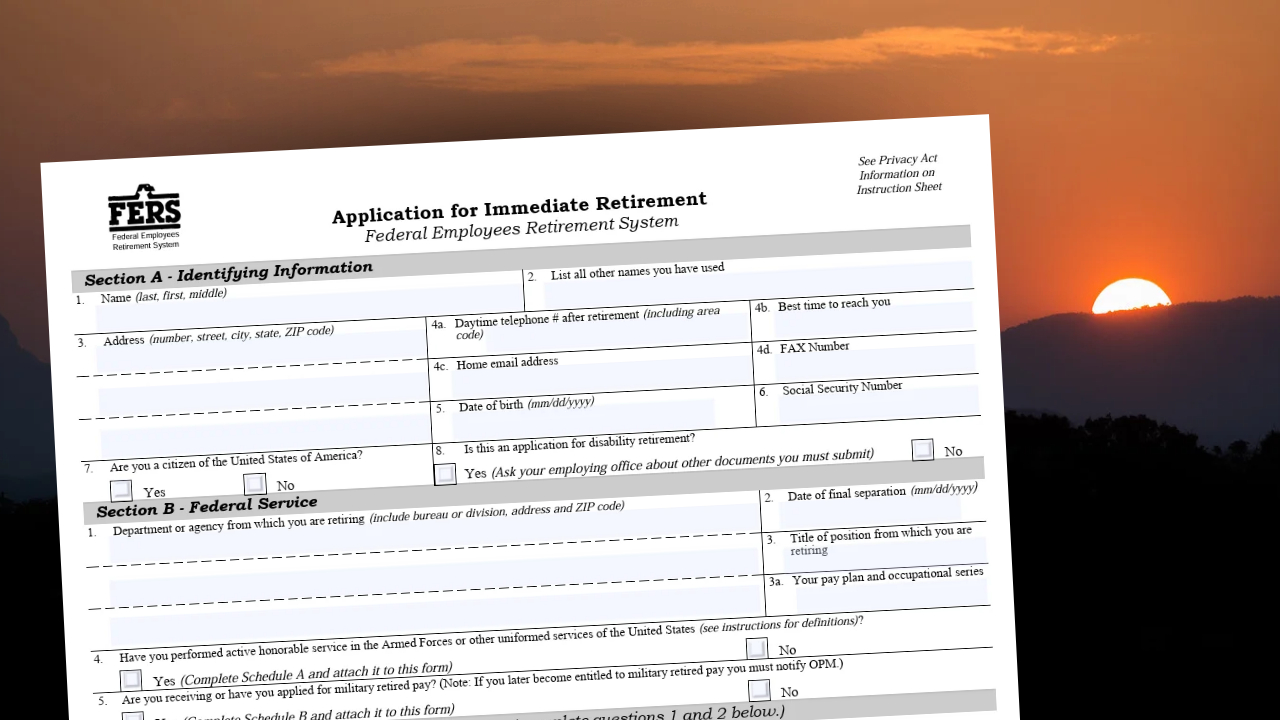
It is relatively easier for a CSRS employee to pick their retirement date than a FERS one, but CSRS workers are now less than 4% of the federal workforce. For them, all they have is their pension to keep track of while those under FERS have to coordinate their pension, TSP, and social security benefits. With CSRS, it is more clear-cut: the end of the “leave year” is the most logical date to retire. This is when they can carry over a maximum of 240 hours of leave from the prior year. For CSRS, that date is January 3rd, 2022. The end of the leave year is also a reasonable time for a FERS retiree to stop working. The date for FERS is the actual end of the year: New Year’s Eve 2021. This is considered common knowledge, which can be seen in the uptick of claims for retirement benefits each December, creating the massive backlog at OPM.
If the current month happens to be March, however, and waiting until winter seems like an unappealing prospect for someone who is eligible for retirement, the next best time to retire is at the end of the month; any month. FERS retirement benefits commence the following month after retirement so if you retire on the last day of a given month, the accumulation of benefits begins the following day. The same is true for CSRS (and CSRS Offset) employees, except they get the option of waiting until the first three days of the next month, too. So while a FERS worker would have to retire by March 31st to start earning benefits in April, a CSRS retiree could wait until April 3rd.
For a CSRS employee with 30 to 40 years of service, picking the right date can be crucial when calculating retirement benefit amounts. In contrast, a FERS employee with only a decade or less of service may face fewer drastic implications based off what exact date they stop working.
Until Next Time,

**Written by Benjamin Derge, Financial Planner. The information has been obtained from sources considered reliable but we do not guarantee that the foregoing material is accurate or complete. Any opinions are those of Benjamin Derge and not necessarily those of RJFS or Raymond James. Links are being provided for information purposes only. Expressions of opinion are as of this date and are subject to change without notice. Raymond James is not affiliated with and does not endorse, authorize, or sponsor any of the listed websites or their respective sponsors.

When to Retire from Federal Service
The FedLife Podcast is your in-depth, biweekly deep dive into the world of federal benefits and retirement planning. Hosted by federal benefits expert Ed Zurndorfer and Dan Sipe of Serving Those Who Serve, each 30-minute episode unpacks the complexities of FERS and CSRS retirement, FEHB and Medicare, survivor benefits, tax planning, and more. Designed for federal employees and retirees who want more than just the basics, FedLife goes beyond the headlines to explore the rules, nuances, and strategies that can make a meaningful difference in your retirement. Remember: it’s your Fed life, make it a great one.
The Fed15 Podcast is your weekly 15(ish)-minute briefing on federal benefits and financial planning, built specifically for federal employees and retirees. Hosted by Dan Sipe and Katelyn Murray of Serving Those Who Serve, each episode delivers clear, actionable guidance on topics like FERS and CSRS retirement, TSP strategies, FEHB, survivor benefits, tax planning, and more! Whether you’re five years from retirement or already there, The Fed15 helps you cut through the noise, avoid costly mistakes, and make confident decisions about your federal benefits.